Choose manual lymphatic drainage when the swelling needs precise work on specific areas of the body, e.g. after surgery, with lymphoedema or with swelling of the face and trunk. Mechanical drainage, i.e. pressotherapy with compression sleeves, works well as a complement for swelling of the limbs. At the clinic in Rydułtowy manual drainage costs PLN 110 and mechanical drainage PLN 60.
Below we compare both methods using the same criteria: how they work, indications, contraindications, sensations and price. At the end you will find answers to the questions patients ask most often.
In brief
- Manual drainage: PLN 110, mechanical (pressotherapy): PLN 60 – prices at the clinic in Rydułtowy.
- Manual drainage is performed by a physiotherapist by hand; mechanical drainage by a device with a sleeve that has several to a dozen or more air chambers.
- For lymphoedema the standard is complete decongestive therapy, in which drainage is just one of 4 elements.
- Recent thrombosis, acute skin infection and uncontrolled heart failure are contraindications to both methods.
- The clinic is open Mon–Fri 7:00–20:00, private visits only (not covered by NFZ, the Polish public health fund).
Contents
What is manual lymphatic drainage?
Manual lymphatic drainage is a technique in which the physiotherapist uses their hands to make slow, rhythmic and very gentle movements that move the skin towards the lymph nodes. The aim is to help lymph drain from the swollen area. Work usually starts at the neck and the nodes closer to the trunk, and only then moves on to the swollen limb.
The pressure is much lighter than in classic massage – the skin is moved, not kneaded, so the treatment should not cause redness or pain. The physiotherapist can avoid freshly operated areas, healing scars and areas with skin changes, and adjusts the direction of the movements to which lymphatic pathways are open. This precision is the main advantage of the manual method: it allows work on the face, neck, trunk, breast or groin area, where a compression sleeve cannot reach.
Manual lymphatic drainagefor post-surgical, post-traumatic and lymphatic swelling, once contraindications have been ruled outPLN 110What is mechanical drainage, or pressotherapy?
Mechanical drainage, also called pressotherapy or pneumatic drainage, involves putting a sleeve divided into air chambers on the limb. The device inflates and deflates them in turn, creating a wave of pressure that moves from the foot or hand towards the trunk. The physiotherapist sets the pressure and programme individually, depending on the type of swelling and the patient’s tolerance.
The patient lies down or half-sits, and during the treatment feels a rhythmic squeezing of the limb that builds up and eases off – similar to having your blood pressure taken, only gentler. The method mainly covers the legs and arms; it cannot be used on the trunk, face or the lymph nodes in the armpit or groin. That is why, for lymphoedema, pressotherapy is regarded as a complement to manual drainage and compression rather than a stand-alone method.
Mechanical drainage (pressotherapy)for swelling of the limbs and heavy legs, once contraindications have been ruled outPLN 60How do the two methods differ? A comparison table
Both methods have the same goal – to help lymph drain and reduce swelling – but they differ in who performs them, their reach and their precision. Manual drainage is performed by a physiotherapist and can cover any area of the body. Mechanical drainage works only within the sleeve, but it is cheaper: at the clinic in Rydułtowy it costs PLN 60, compared with PLN 110 for manual drainage.
| Criterion | Manual drainage | Mechanical drainage (pressotherapy) |
|---|---|---|
| How it works | gently moving the skin by hand towards the lymph nodes | a sleeve with air chambers that compress the limb in turn |
| Body areas | the whole body, including the face, neck, trunk, breast and areas around scars | mainly the legs and arms |
| Indications (examples) | lymphoedema, swelling after surgery or injury, facial swelling | swelling of the limbs, heavy legs, complement to lymphoedema therapy |
| Contraindications (shared) | recent thrombosis, acute skin infections and inflammation, uncontrolled heart failure, fever | as opposite, plus e.g. wounds and skin changes where the sleeve goes |
| Sensations | light, rhythmic movement of the skin, usually relaxing | rhythmic squeezing of the limb with adjustable strength |
| Tailoring to the patient | the physiotherapist continuously adjusts direction, pressure and area | choice of programme and pressure; reach limited by the sleeve |
| Combining with other methods | with compression therapy, exercise, kinesio taping | most often after or alongside manual drainage |
| Price at the clinic | PLN 110 | PLN 60 |
Prices valid from 08.2026. The full price list can be found on the rehabilitation and massage price list page.
When to choose manual drainage and when mechanical?
Manual drainage is the better choice when the swelling affects the trunk, face, breast or areas around scars, when it appeared after surgery or an injury, or when lymphoedema has been diagnosed. Mechanical drainage is more often enough for swelling of both legs from overload and long periods of sitting or standing, once serious causes have been ruled out. The physiotherapist chooses the method after a consultation.
In practice the two methods often complement each other. For lymphoedema the basis is complete decongestive therapy: manual drainage, compression therapy (bandaging or compression garments), exercise and skin care, with pressotherapy sometimes added. For swelling after an injury, for example after an ankle sprain, drainage is usually part of wider rehabilitation – we write more about this in our article on rehabilitation after an ankle sprain.
If you do not know what is causing the swelling, start with a doctor. Leg swelling can be a symptom of heart, kidney or vein disease, or a side effect of medicines – we describe this in our article leg swelling – when lymphatic drainage helps. Drainage does not treat these causes, and in some of them it is contraindicated.
Good to know: for your first visit, bring your hospital discharge summary or surgical report and a list of the medicines you take. The physiotherapist will also ask about any past thrombosis.
When must lymphatic drainage not be performed?
Lymphatic drainage, both manual and mechanical, is not performed with suspected or recent deep vein thrombosis, an acute skin infection such as erysipelas, fever, uncontrolled heart failure or uncontrolled high blood pressure. With cancer, the decision is made after consulting the doctor in charge of your care. The physiotherapist checks the list of contraindications when taking your history before the treatment.
Mechanical drainage has additional contraindications related to the sleeve: wounds, ulcers and fresh skin changes where the pressure is applied, and impaired sensation that prevents the patient from judging the pressure. If one leg suddenly swells, hurts, is red or warm, do not book drainage – contact a doctor urgently, as this may be thrombosis. With shortness of breath or chest pain, call 112.
Summary
Manual drainage (PLN 110) is a precise method that can cover any area of the body, so it works well after surgery, injuries and for lymphoedema. Mechanical drainage (PLN 60) is a cheaper complement for swelling of the limbs. Before either of them, thrombosis and other serious causes of swelling must be ruled out.
Frequently asked questions
Does lymphatic drainage hurt?
Lymphatic drainage should not hurt. In the manual method the physiotherapist moves the skin with very light pressure, and in the mechanical method the patient feels a rhythmic squeezing of the limb, the strength of which can be reduced. If you feel pain, tingling or numbness, tell the physiotherapist straight away and they will change the settings or stop the treatment.
Can manual and mechanical drainage be combined?
Yes, the two methods are often used together, especially for swelling of the limbs. Manual drainage prepares the lymphatic pathways and pressotherapy complements it. The physiotherapist decides on the combination and order after a consultation. At the clinic in Rydułtowy manual drainage costs PLN 110 and mechanical drainage PLN 60, so the cost depends on the chosen combination.
How many drainage sessions are needed?
The number of sessions depends on the cause and extent of the swelling, other conditions and whether the patient uses compression and exercises at home. The physiotherapist decides on it individually after a consultation and keeps assessing the results, e.g. by measuring the limb circumference. There is no single number of sessions that suits every patient with swelling.
Does lymphatic drainage help with cellulite?
Lymphatic drainage can temporarily reduce the feeling of heaviness and tissue swelling, which makes the skin look smoother, but there is no good evidence that it removes cellulite permanently. At a physiotherapy clinic we use drainage mainly for post-surgical, post-traumatic and lymphatic swelling. Cosmetic effects are best discussed separately with a cosmetologist.
How should I prepare for drainage?
Before drainage, have a light meal, use the toilet and do not apply lotions to your skin. For pressotherapy comfortable clothing such as leggings is useful, although the sleeve can also be put on bare skin. Bring your medical records and a list of medicines. If you have had thrombosis in the past, mention it when booking.
Can drainage be done at the patient’s home?
Home physiotherapy is available within 15 km of Rydułtowy and costs approximately PLN 200 for up to 5 km, then PLN 2/km beyond that; we agree the exact price when booking. Whether manual or mechanical drainage is possible at home is best confirmed by phone on 505 417 624.
Sources
- International Society of Lymphology, The diagnosis and treatment of peripheral lymphedema: 2020 Consensus Document, Lymphology, 2020.
- Ezzo J. et al., Manual lymphatic drainage for lymphedema following breast cancer treatment, Cochrane Database of Systematic Reviews, 2015.
- Polish Phlebological Society / Polish Lymphological Society (Polskie Towarzystwo Flebologiczne / Polskie Towarzystwo Limfologiczne) – recommendations on decongestive therapy.
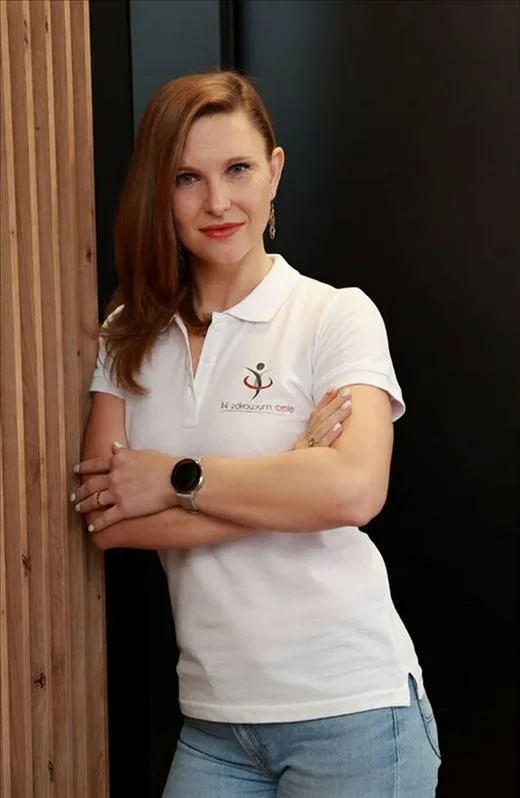
About the author: Tatiana Grabowska, MSc – master’s degree in physiotherapy, licence to practise number PWZFz 11646 (Polish licence to practise as a physiotherapist). Since 2013 she has run the “W zdrowym ciele” physiotherapy and rehabilitation clinic in Rydułtowy; she has about 12 years of professional experience. Physiotherapist’s profile
- Consultation180 PLN
- Referralnot needed
- ReceptionMon–Fri: 7.00–20.00